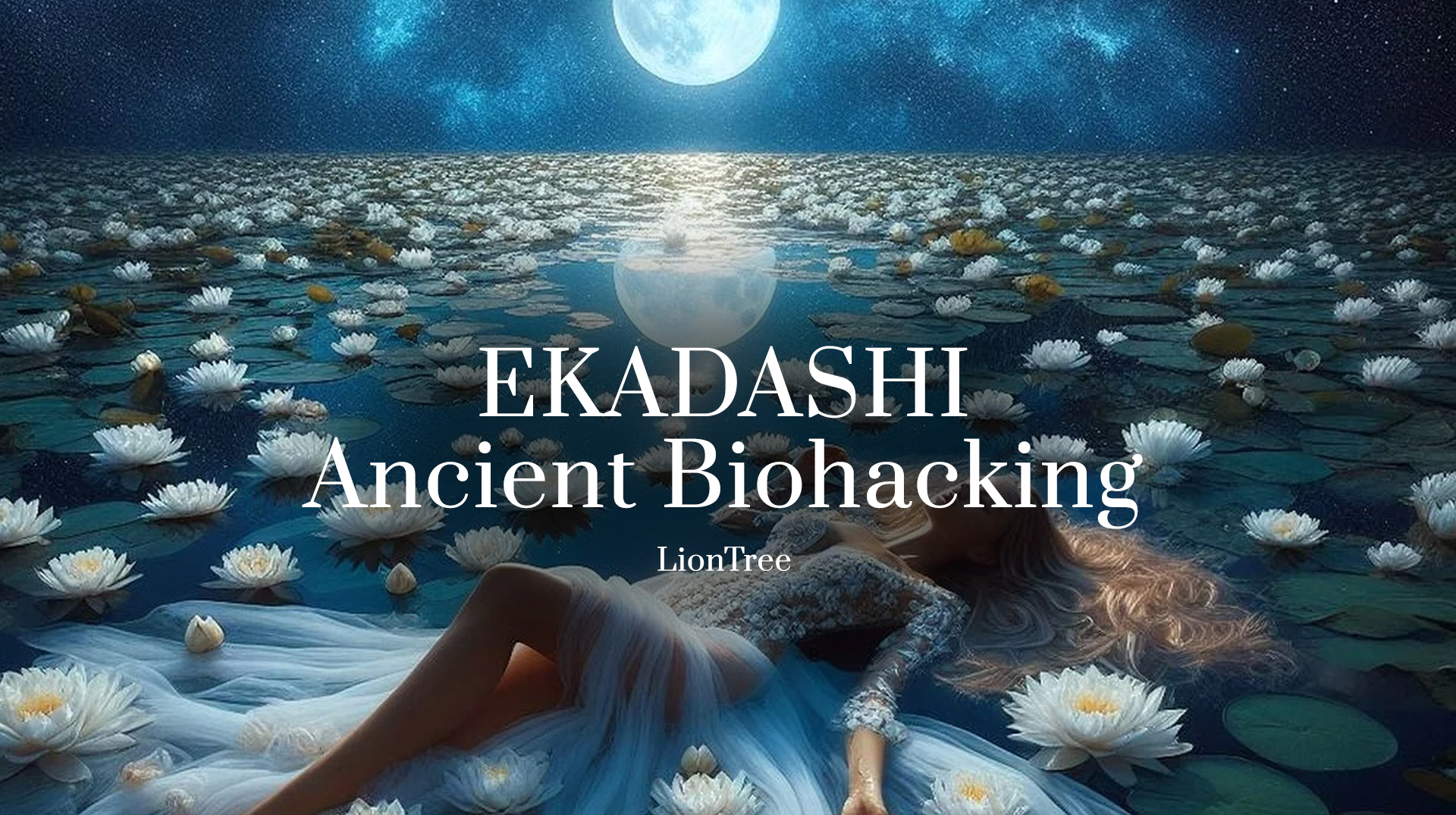
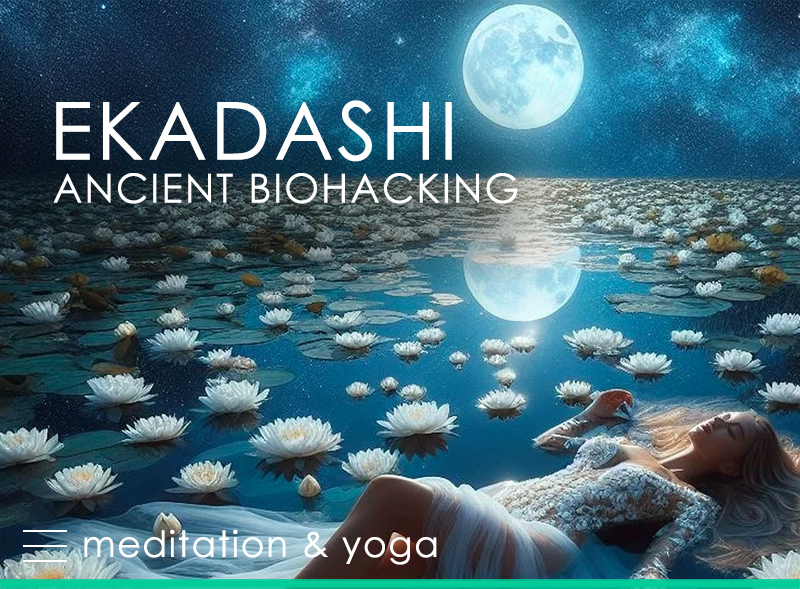
A powerful act of renewal. A potent biohack reintroduced to modern times.
In the ancient traditions of India, Ekadashi, which literally means "eleven," is more than just a day on the calendar, it is a time of profound spiritual and physical significance. Occurring twice a month on the eleventh day after the full moon and the new moon, Ekadashi is a day marked by fasting, reflection, and spiritual practice. This tradition, passed down through generations, is now being understood in the light of modern science, revealing the wisdom embedded in these ancient practices. Ekadashi is a powerful biohacking practice that not only slows down the signs of aging but may even reverse them.
According to Ayurvedic philosophy, the human body is composed of roughly 80% liquid and 20% solid, mirroring the composition of the Earth. This connection between the body and the planet suggests that, just as the moon influences the tides of the ocean, it also has a significant impact on the fluids within our bodies.
Astronomers have long known that the moon’s gravitational pull affects the Earth’s tides. The height of the tides varies throughout the month, with the strongest gravitational pull occurring during the full moon and new moon, when the Earth, the moon, and the sun are aligned. This gravitational influence not only affects the ocean’s tides but also has a subtle yet profound effect on the human body. Water is essential for the functioning of our bodies at every level, from the absorption of nutrients to the elimination of waste. The transfer of energy and information necessary for bodily processes occurs through water, particularly in the connective tissues, which play a crucial role in supporting our organs, blood vessels, nerves, and the lymphatic system. This water-based system within our bodies becomes more unsettled during the full moon, potentially leading to emotional imbalances, confusion, tension, and, in more dramatic cases, lunacy.
The sages of ancient India recognised this connection and understood that fasting on Ekadashi could help mitigate these imbalances, aligning the body’s rhythms with the natural cycles of the moon. One of the most intriguing aspects of Ekadashi fasting is its potential impact on cellular health, particularly through the preservation of telomeres. Telomeres are protective caps at the ends of chromosomes that prevent DNA from deteriorating during cell division. As we age, telomeres naturally shorten, leading to cellular aging and the onset of various age-related diseases. Recent scientific research has shown that fasting can positively influence the health of telomeres. By reducing oxidative stress and inflammation, fasting on days like Ekadashi may help slow down the shortening of telomeres, thus protecting our cells from premature aging. This cellular rejuvenation process aligns with the ancient understanding of Ekadashi as a day for purification and renewal.
An important feature of Ekadashi fasting is the avoidance of grains and legumes. Ancient sages believed that these foods, which tend to retain water, could disrupt the body's balance during the full moon and new moon when the moon’s gravitational pull is at its strongest. Consuming grains like rice on these days might lead to excess water retention, bloating, and physical discomfort. Modern science supports the practice of fasting, showing that it can help manage blood sugar levels, reduce insulin resistance, and lower inflammation. Avoiding water-retaining foods during these fasting periods can help maintain hydration balance and mental clarity. By minimising the intake of such foods, the body can better support overall well-being.
"Ekadashi fasting offers a timeless biohack, a powerful act of renewal that reconnects us with ancient wisdom.”
The fast on Ekadashi typically lasts for 24 hours. While some practitioners choose a dry fast, avoiding all food and drink, others may drink water or consume small amounts of fruit. The key is to avoid grains and legumes, which can disrupt the body’s natural balance during this time. To break the fast, it is recommended to drink warm water and eat fresh fruit, allowing the body to gently reintroduce food after the period of cleansing.
The observance of Ekadashi is a powerful reminder of the deep connection between our bodies, the natural world, and the cosmos. By aligning our practices with the lunar calendar, we tap into a rhythm that has been recognised for millennia as beneficial for both physical and spiritual well-being. Fasting on Ekadashi is not merely an act of abstaining from food, it is an opportunity to reconnect with ourselves, to cleanse both body and mind, and to harmonise with the natural cycles that govern our lives. In today’s fast-paced world, where people are constantly bombarded with distractions, the practice of Ekadashi offers a moment of stillness and reflection, a chance to nurture our health and deepen our connection to the rhythms of nature. As we continue to explore the intersection of ancient traditions and modern science, the practice of Ekadashi stands as a testament to the timeless wisdom that guides us toward a healthier, more balanced way of living. Whether approached from a spiritual or scientific perspective, the essence of Ekadashi remains the same, a day of renewal, reflection, and reverence for the sacred rhythms that shape our existence.